From Warehouse Floors to Festival Fields: How Qravers Carries The Glowstick Forward
Last Updated: March 2026 for the upcoming festival season
Underground Revolution
In the late 1980s, something extraordinary was happening in the abandoned warehouses, aircraft hangars, and forgotten spaces across the UK. What started as illegal gatherings fuelled by acid house sounds and a spirit of rebellion would evolve into one of the most influential cultural movements of our time. This wasn't just about music – it was about freedom, community, and breaking down the barriers that divided people.
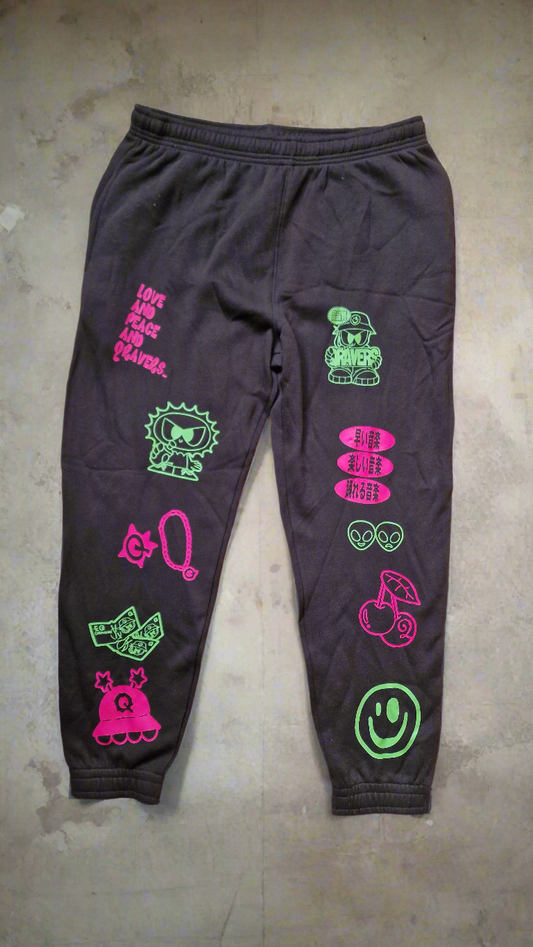
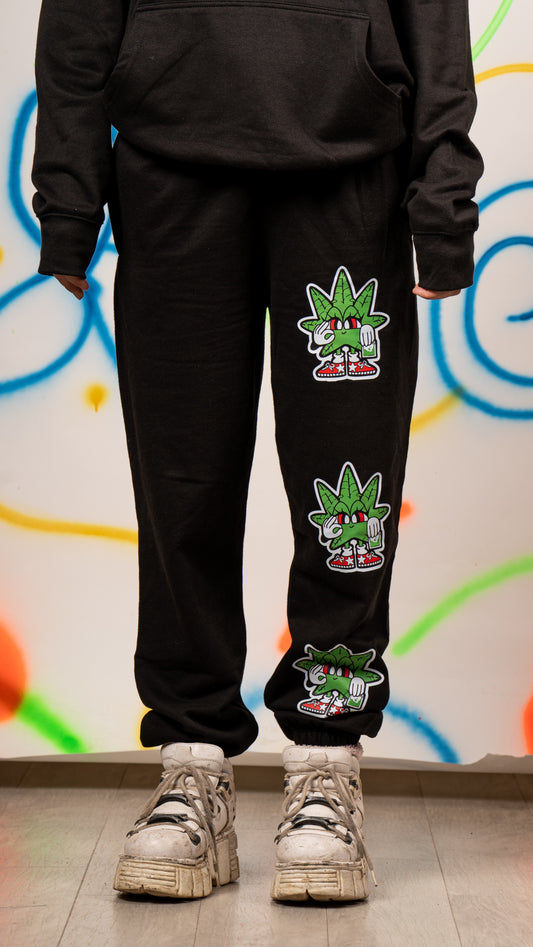
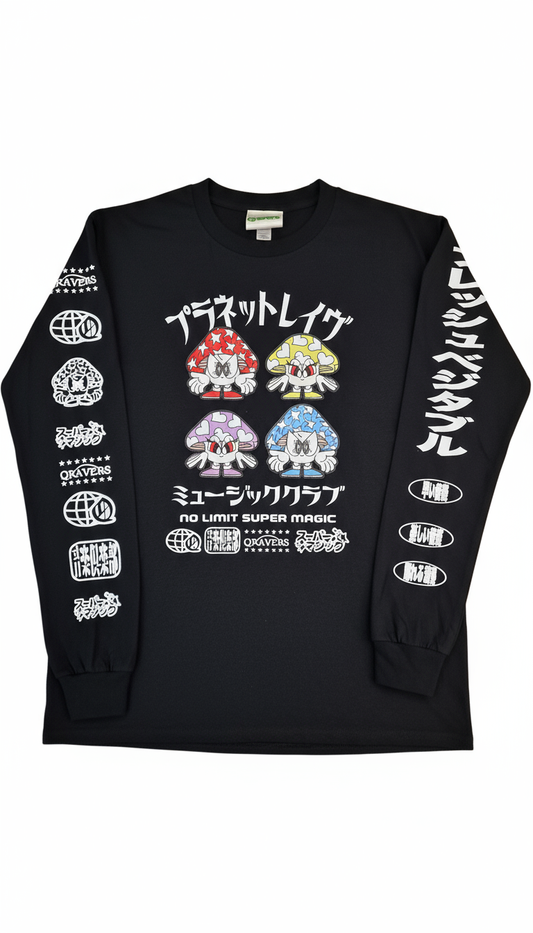
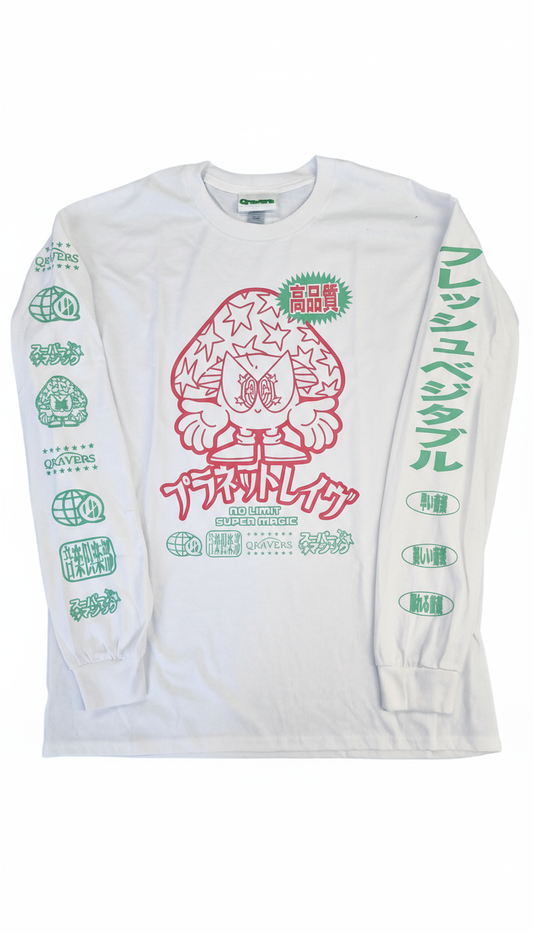
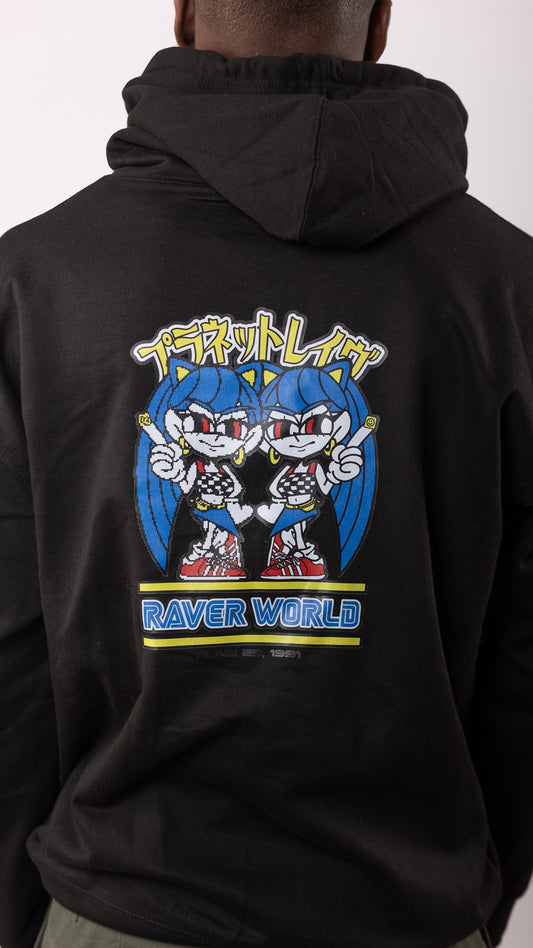
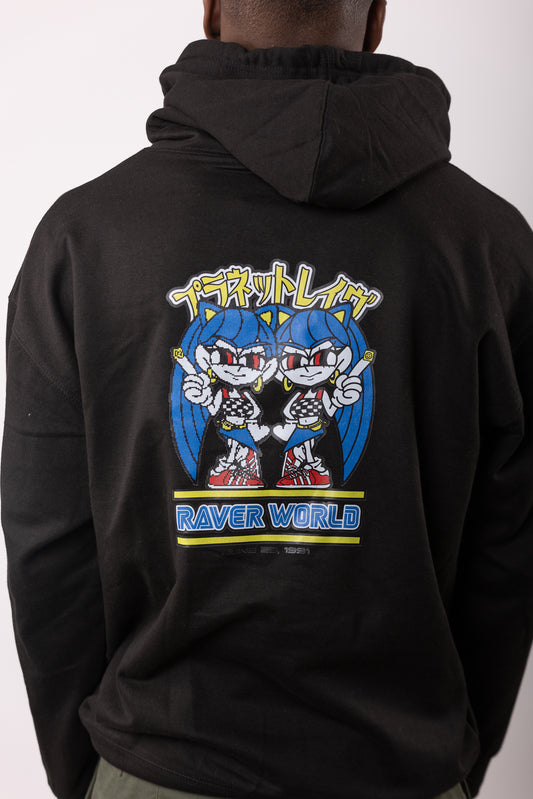
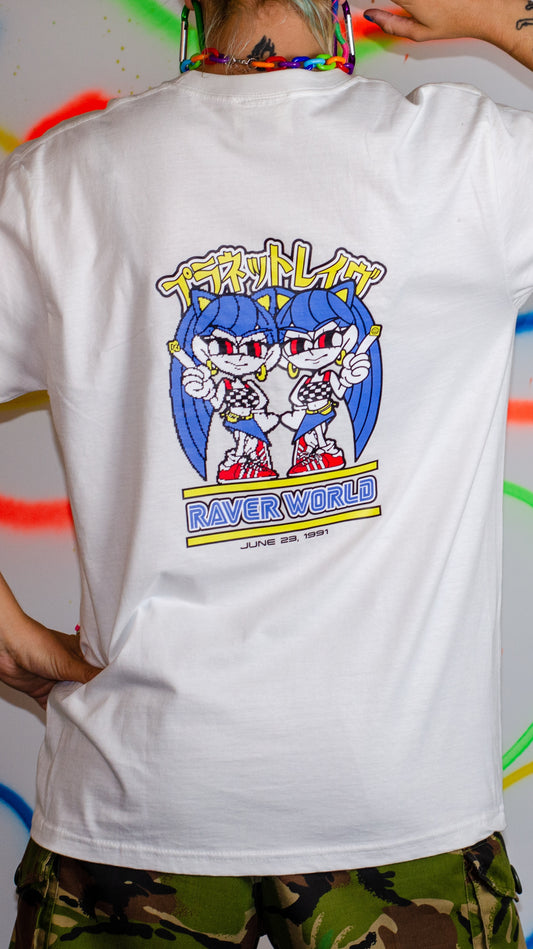
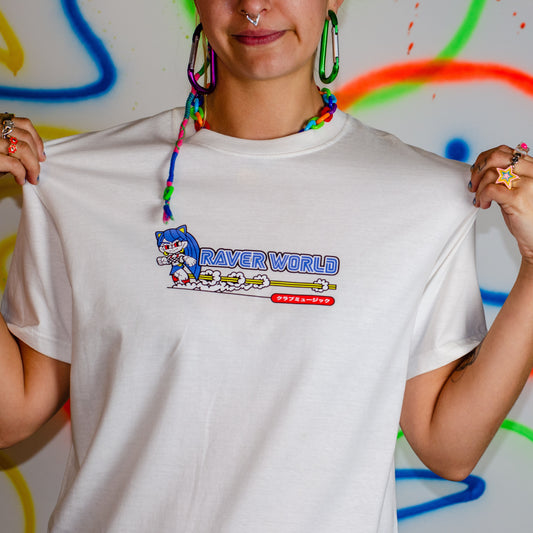
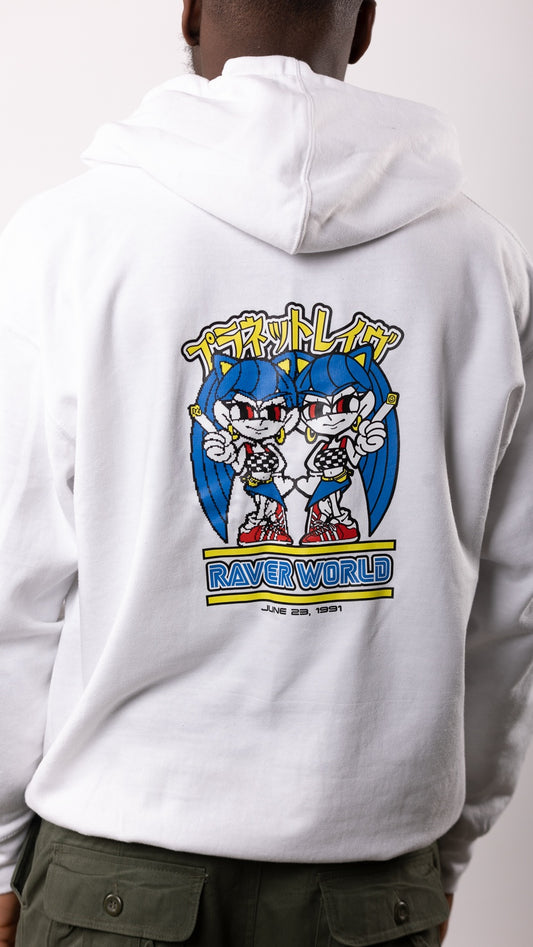
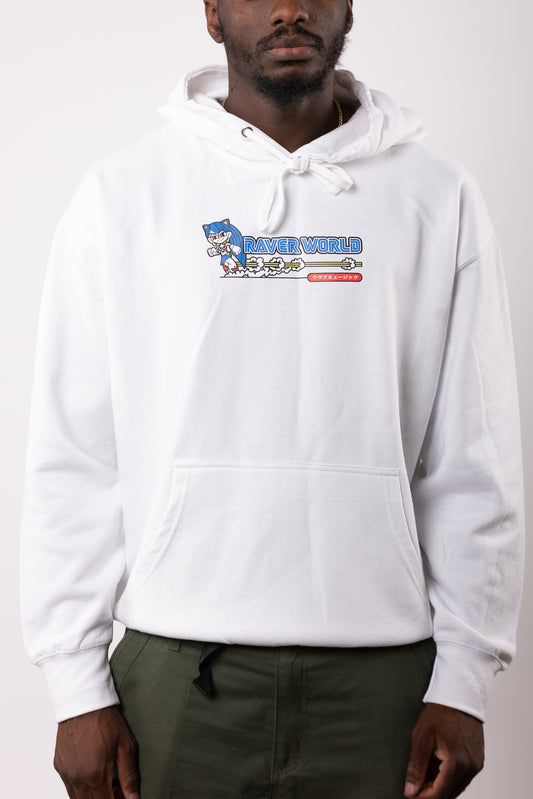
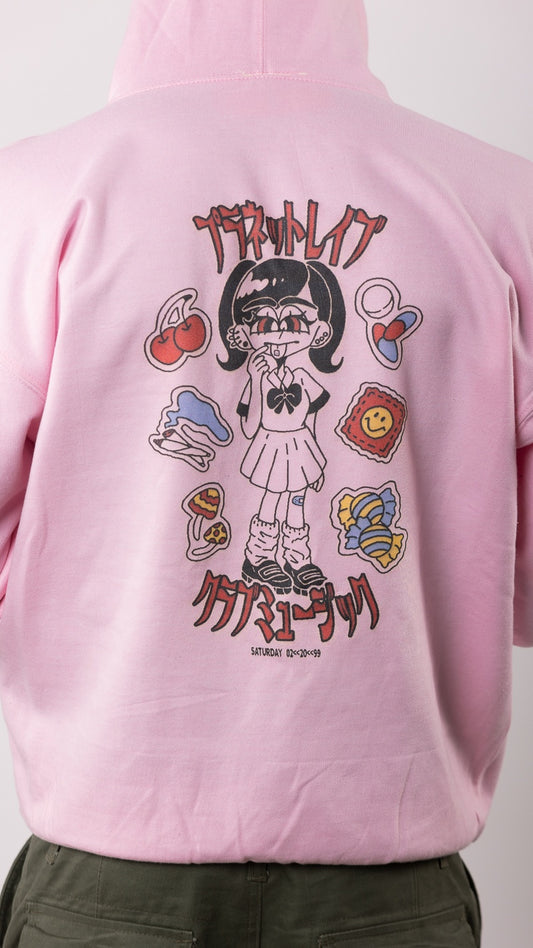
Our story started in 2018, but its roots go much deeper. Like so many ravers before us, we'd collect those precious flyers handed out at club exits – bleary-eyed and buzzing, we'd study the artwork, trade them with mates, and build collections that covered our walls. These weren't just pieces of paper; they were the visual language of a generation that believed in revolution, love, and freedom. When we started printing our rave images on garms, we weren't just creating clothing; we were preserving and celebrating rave culture in all its ridiculous and outrageous forms. 
Working with the Legends Who Shaped the Scene
What actually makes Qravers is our direct connections to the artists and promoters designers and ravers who create the scene. We work with original rave flyer artists like Jamcee (Jonny Martin), whose artwork defined the visual identity of '90s rave culture, and Junior Tomlin, whose psychedelic designs captured the trippy, euphoric atmosphere of the scene through to our collabs with PEZ and Raindance – the promoters who launched the careers of Carl Cox, LTJ Bukem, Fabio, and Grooverider and original 90s streetwear icons DREADY, who we created a limited edition clothing capsule with. Its what connects us directly to the originators. These aren't just business relationships; they're cultural collaborations that ensure the authentic spirit of the scene lives on.

The Festival Connection: Where Past Meets Present
Today, you'll find Qravers at festivals across the UK, but we're not just another clothing stall. We're carrying forward a tradition that goes back to those early days when the real action happened in the traders' areas. Back in 1989, crews like Sugarlump and Mindscapes were setting up raves behind their stalls at festivals like Glastonbury. creating the genuine underground atmosphere that festival-goers craved and laid the foundations for soundsystem culture at festivals.
When we set up our stall with all its ravey wears, bells and whistles we're continuing that legacy. But we've taken it even further, we've brought live DJs and sound systems directly into the shop, creating a rave atmosphere. Our store operates with open decks where DJs can come and jump on, keeping the spontaneous spirit of rave culture alive. The whole shop functions as a stage, where ravers and shoppers gather and vibes flow.
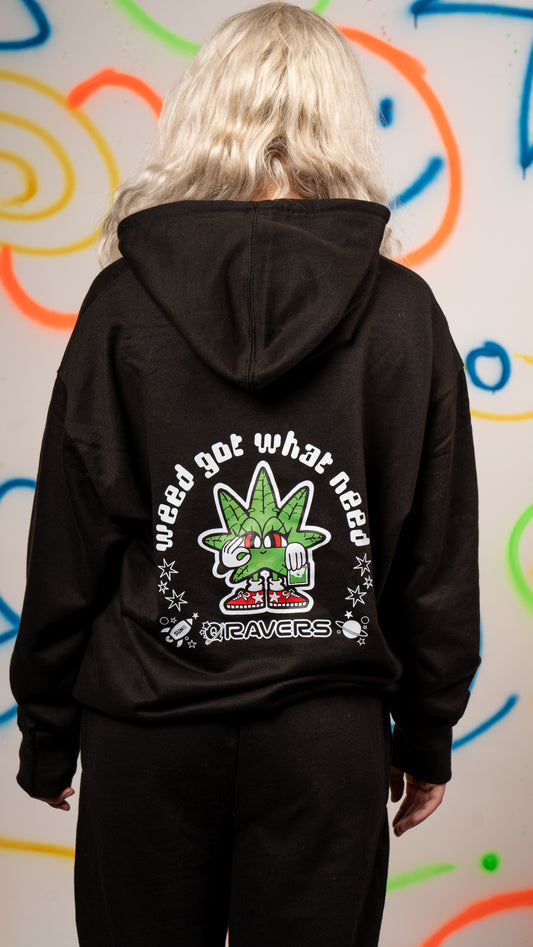
The Qravers Man, our grinning mascot, embodies the spirit of someone who 'earned his stripes on dirty dance floors, in squat raves, and muddy festival fields worldwide.' And now, he presides over a space where that spirit lives on, all under one roof.

Following the Sound
There's no point in trying to appeal to everyone – we're here for the ravers who understand that the culture lives in the soundsystems and on the dance floors. Bass drums and breakbeats are the sounds our community lives for, the rhythms that connect us to something bigger than ourselves.
The roots of UK rave culture trace back to the Jamaican soundsystem tradition that arrived with the Windrush generation. Those mobile rigs and street parties in 1950s Kingston established the blueprint – custom-built systems, DJs and MCs collaborating, communities gathering around powerful sound.
When acid house exploded in the UK, it fused with this heritage. Through the hardcore and jungle revolution of the early '90s, those influences became woven into the rave scene carrying forward to the electronic music that dominates today's festivals and arena stages. From acid house to happy hardcore, from jungle to techno, donk to baseline it's the soundtrack to a movement that's been pushing boundaries and bringing people together for decades.
Building the Qravers Community
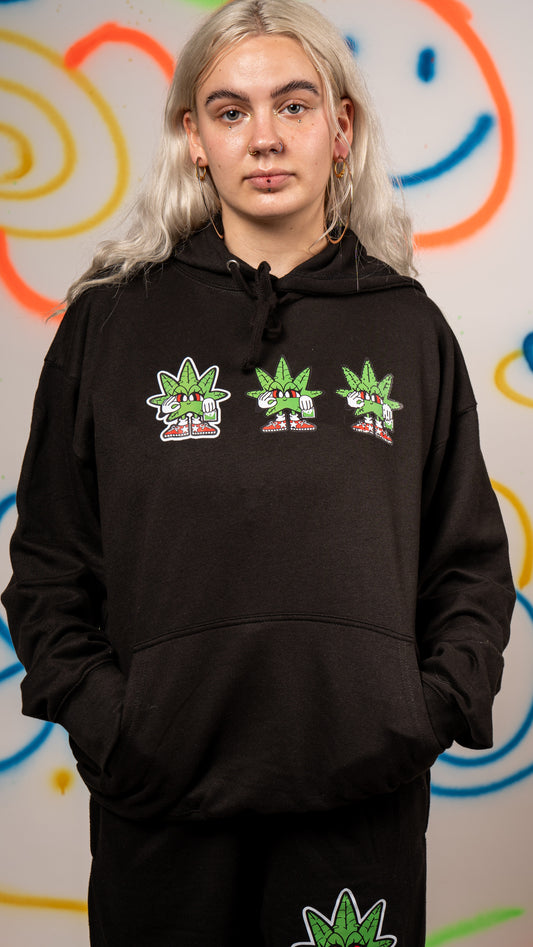
When people wear our clothing at raves and festivals, it shows something important – we've created more than a brand, we've built a community. Our customers don't just wear our gear; they embody the values of rave culture: acceptance, unity, and the belief that music brings people together regardless of background, or they may just have been cold and needed a hoodie but you still got to dream big.
At festivals, our stall becomes a meeting point for like-minded souls. People are drawn to the vibes they appreciate the excellent level of bants we provide, connect over shared "experiences" ;) and celebrate the culture that brought them together.

Carrying the Glowstick Forward
The rave scene has evolved from illegal gatherings to festival main stages, but the core spirit remains unchanged. The same energy that drove people to dance until sunrise in abandoned buildings now fills festival fields and across the country. The same sense of community that emerged from the underground still brings people together.
At Qravers, we're proud to be part of this continuing story. Every piece we create, every collaboration with independent artists, every festival where we set up our stall – it's all part of preserving and celebrating 30 years of UK rave heritage. From the warehouse floors where it all began to the festival fields and venues where it thrives today, the spirit of rave culture lives on. And we're here to make sure it never stops dancing.
Ready to be part of the story? Explore our collections inspired by authentic rave culture and join the community that's been keeping the spirit alive for over three decades.
People Also Ask
Q: Is Boomtown as big as Glastonbury?
A: Glastonbury is significantly larger (200,000+ capacity vs Boomtown's 66,000), but Boomtown offers a more concentrated 'Chapter' based immersive experience with dedicated districts for different music genres. Both are essential UK festival experiences.
Q: What was the first legal rave in the UK?
A: Raindance held the first legal rave in the UK on 16 September 1989 at Jenkins Lane, Beckton, East London. This was a defining moment that legitimised rave culture and launched the careers of Carl Cox, LTJ Bukem, and Fabio & Grooverider.
Q: How did warehouse raves become festivals?
A: Illegal warehouse parties (1988-1994) evolved into licensed festivals as rave culture went mainstream. Early festival traders like Sugarlump and Mindscapes set up raves behind their stalls at Glastonbury in 1989, creating the blueprint for today's festival soundsystem culture.
Q: Where can I buy authentic 90s rave clothing?
A: Qravers collaborates with original 90s rave flyer artists like Jamcee, Junior Tomlin, and legendary promoters like Raindance. Our designs are authentic to UK acid house, jungle, and DnB culture—not fast fashion replicas.